
How to Tell If a BJJ Gi Is Good Quality
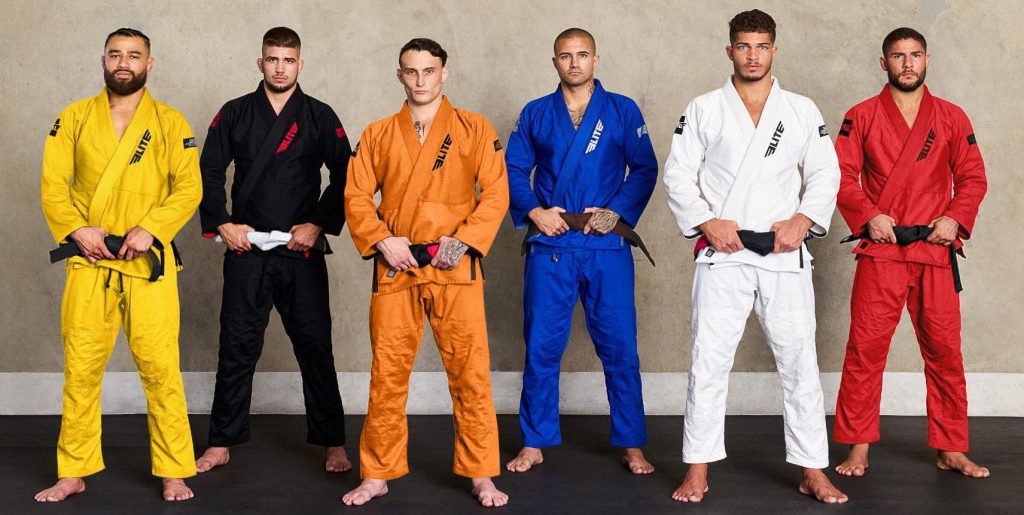
Whether you’re new to Brazilian Jiu-Jitsu or have been training for years, finding the right gi is an important part of your experience on the mats. For adults and kids training BJJ here in Cary, NC, comfort, durability, and fit can make all the difference. But how can you tell if a gi is actually good quality? In this guide, we’ll walk through what to look for when choosing a BJJ gi, from fabric and stitching to fit and overall construction, so you can make a more informed decision before your next purchase.
The good news is that you do not need to be an expert to evaluate a BJJ gi. By looking at the fabric, stitching, fit, collar, pants, weight, and overall construction, you can make a more informed choice. A quality gi should feel comfortable during training while being strong enough to handle regular use.
1. Check the Fabric Quality
Fabric is one of the first things to consider when choosing a BJJ gi. The material affects how the gi feels, how durable it is, and how comfortable it will be during long training sessions.
BJJ gis are available in different types of weaves and fabric weights. Lightweight gis can be useful for warm gyms and frequent training, while heavier gis may offer a more substantial feel and increased durability.
A good gi should balance strength and comfort. Choosing the heaviest fabric available is not always the best option. Your training frequency, climate, and personal preference should all be considered.
You can explore a range of options here:
2. Understand GSM and Gi Weight
GSM stands for grams per square meter and is commonly used to describe the weight of gi fabric.
A lower-GSM gi is generally lighter and may feel more comfortable in hot weather. A higher-GSM gi is usually heavier and can provide a more substantial feel.
For everyday training, a medium-weight gi can be a practical choice because it offers a balance between mobility and durability. Lightweight gis can also be useful for practitioners who train frequently or travel with their equipment.
However, GSM should not be the only factor you consider. Two gis with similar weights can feel very different depending on their weave, construction, and fit.
3. Look at the Stitching
Stitching is one of the most important signs of good gi construction.
During BJJ training, your uniform is constantly exposed to pulling and gripping. Weak stitching can eventually cause seams to open, especially around areas that experience frequent stress.
Look for reinforced stitching around:
- Shoulders
- Armpits
- Cuffs
- Jacket seams
- Collar
- Pants
- Knee areas
Strong and consistent stitching can help a gi withstand repeated training. When shopping online, look closely at product photographs and descriptions to see how the gi is constructed.
Loose threads and uneven stitching may indicate that the garment needs closer inspection before purchasing.
4. Pay Attention to the Collar
The collar plays an important role in a BJJ gi because it is frequently grabbed during training.
A good collar should have enough structure to remain durable while still being comfortable around the neck. It should not feel excessively soft or flimsy.
Since opponents can repeatedly grab and pull the collar, its construction needs to withstand regular stress. A well-constructed collar can also help the jacket maintain its shape over time.
When comparing gis, consider the collar along with the rest of the jacket rather than treating it as a minor detail.
5. Examine the Gi Pants
The pants are just as important as the jacket.
BJJ involves a lot of movement around the knees and legs. During drilling and sparring, the pants can experience friction against the mat and repeated pulling from your training partner.
Look for reinforced knee sections and strong stitching. These areas can help the pants handle the demands of regular training.
The waistband and drawstring system are also worth checking. A secure closure should keep the pants in place while allowing you to adjust the fit comfortably.
Good gi pants should provide enough room for movement without being excessively loose.
6. Consider Pre-Shrunk Fabric
Shrinkage is an important consideration when buying a BJJ gi, particularly when the gi contains cotton.
A gi that fits perfectly when new can become uncomfortable if it shrinks significantly after washing. Choosing a preshrunk gi can help reduce unexpected changes in size.
Even with preshrunk fabric, following the care instructions is important. Washing and drying methods can affect the size and lifespan of the gi.
Before purchasing, check whether the product is preshrunk and review the manufacturer’s care recommendations.
7. Choose the Right Fit
A high-quality gi still needs to fit properly.
A good BJJ gi should allow you to move freely without having excessive fabric. The sleeves should provide comfortable arm movement, while the pants should allow you to move your legs, hips, and knees naturally.
Avoid choosing a size based only on what you normally wear in other clothing. BJJ gi sizing can differ between brands.
Instead, check the manufacturer’s size chart and compare it with your height and weight.
For men, Elite Sports offers a dedicated collection:
Mens BJJ Gis From Elite Sports
The right fit can make a noticeable difference during drilling, rolling, and everyday training.
8. Balance Durability and Comfort
Durability is important, but a gi also needs to be comfortable.
If you train several times a week, you will spend many hours wearing your gi. A uniform that feels too heavy, stiff, or restrictive may become uncomfortable during longer sessions.
Lightweight and medium-weight gis can be practical for everyday training because they offer mobility while still providing adequate durability.
Think about your training environment before choosing the weight. Someone training in a warm gym may prefer a lighter option, while someone who trains in a cooler environment may prefer a heavier fabric.
9. Check the Overall Construction
A quality BJJ gi is made up of many small details that work together.
Before buying, consider the following:
- Is the fabric suitable for your training?
- Is the weave appropriate for your needs?
- Is the stitching reinforced?
- Does the collar appear strong?
- Are the knees reinforced?
- Does the drawstring feel secure?
- Is the gi preshrunk?
- Does the sizing match your measurements?
- Are the care instructions easy to follow?
Looking at the complete construction gives you a better idea of what to expect from the gi.
10. Don’t Judge Quality by Price Alone
A higher price does not automatically mean that a gi is better quality.
Instead of focusing only on cost, look at the materials, construction, stitching, sizing, and features. A reasonably priced gi can provide excellent value when it is well made and properly maintained.
At the same time, extremely low prices may sometimes come with compromises in fabric, stitching, or construction. It is worth comparing the details before making a decision.
The goal is to find a gi that offers the right combination of quality, comfort, durability, and value.
11. Proper Care Helps Preserve Quality
Even a well-made BJJ gi needs proper care.
Washing your gi after training helps keep it fresh and ready for your next session. Following the manufacturer’s washing instructions can also help protect the fabric and stitching.
Avoid unnecessary high heat, especially when dealing with cotton-based gis, because excessive heat can contribute to shrinkage.
It is also useful to inspect your gi regularly. Check the collar, cuffs, seams, and knees for signs of wear. Small issues are easier to deal with before they become major tears.
If you train frequently, rotating between multiple gis can also reduce the amount of wear placed on one uniform.
Final Thoughts
A good BJJ gi should provide a practical balance of quality, durability, comfort, and fit. You do not have to choose the heaviest or most expensive gi to get a reliable training uniform.
Start by checking the fabric and weave, then look closely at the stitching, collar, pants, and reinforcement. Make sure the gi fits properly and consider whether its weight suits your training environment.
Shrinkage and care requirements are also important because a gi needs to maintain its fit and construction through repeated washing.
Whether you are buying your first gi or replacing an old one, paying attention to these details can help you choose a uniform that is comfortable for training and capable of handling the demands of Brazilian Jiu-Jitsu.