
Does Your BJJ Gi Affect Your Grip Fighting?
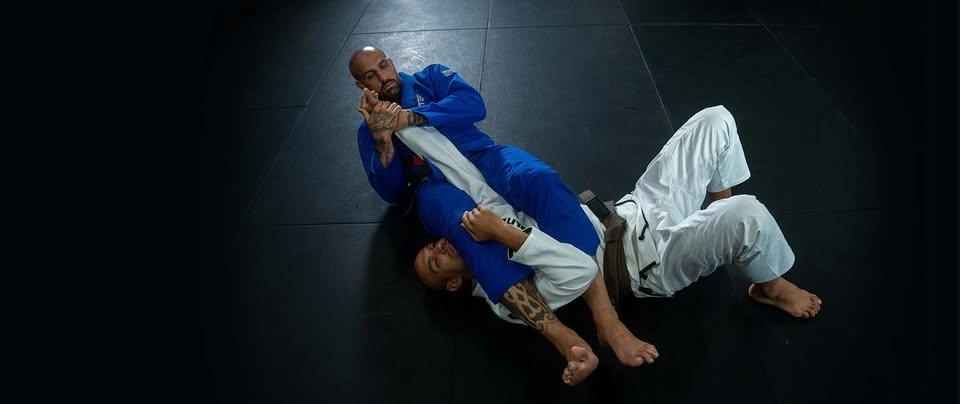
When it comes to Brazilian Jiu-Jitsu, grip fighting can make all the difference between maintaining control and losing a position. Whether you’re just starting adult BJJ classes or have been training for years here in Cary, NC, understanding how your gi affects your movement and your opponent’s ability to establish grips is worth exploring. While technique and timing will always matter most, the fit, fabric, and weight of your gi can influence how grip fighting feels on the mats. In this article, we’ll take a closer look at how your BJJ gi plays a role in grip fighting and what to consider when choosing one for training.
Your gi will not automatically make your grips stronger, but its fit, fabric, weight, and construction can influence comfort and how the uniform responds when you and your training partner establish grips.
How Does a BJJ Gi Affect Grip Fighting?
During gi Jiu-Jitsu, your opponent can use your sleeves, collar, and pants as gripping points. This makes the construction and fit of your gi important.
A well-fitting gi should provide enough fabric for normal gripping without being excessively loose. At the same time, it should allow you to move freely through different positions.
Fabric weight can also change the feel of gripping. A lightweight gi may feel flexible and less bulky, while a heavier gi can feel more structured. Neither automatically gives you better grips. Your technique remains the most important factor.
Sleeve and Collar Grips
Sleeve and collar grips are two of the most common grips used in gi BJJ.
A sleeve grip can help control your opponent’s arm, manage distance, break posture, and set up attacks. A properly fitted sleeve allows you to move naturally without constantly adjusting your uniform.
Collar grips can be used to control posture and create opportunities for sweeps and submissions. Because collars are repeatedly pulled during training, durability is also important.
A good gi should allow you to establish and defend grips while still providing comfortable movement.
Does Gi Weight Matter?
Gi weight can influence your overall training experience.
A lighter gi generally feels less bulky and may be more comfortable during long training sessions or in warm gyms. A heavier gi can feel more substantial but may also feel warmer.
Weight does not determine your grip-fighting ability. Hand positioning, timing, grip changes, and body positioning are much more important.
When choosing a BJJ Gi, consider the balance between comfort, mobility, durability, and fabric weight.
Does Fabric Texture Affect Your Grip?
The texture and feel of gi fabric can influence how a grip feels, but you should not depend on your gi to make gripping easier.
Different gis can have different fabric constructions and textures. Experienced grapplers learn to adjust their gripping technique depending on the gi they and their opponent are wearing.
Instead of relying on a particular fabric, focus on correct finger placement, controlling the available material, and switching grips when necessary.
This adaptability becomes especially useful when training with different partners.
Why Gi Fit Matters
Fit is one of the most important factors when choosing a gi.
A gi that is too loose can give your opponent more fabric to control. A gi that is too tight may restrict your own movement.
The sleeves should allow natural arm movement, while the jacket and pants should remain comfortable when transitioning between positions.
A properly fitted gi lets you focus on grip fighting instead of constantly adjusting your uniform.
Does Gi Color Affect Grip Fighting? (No and we only use white Gis here but..)
Gi color does not normally change the physical quality of a grip. Red, yellow, orange, black, blue, and white gis can all provide gripping surfaces.
For athletes who prefer a more distinctive look, an Adults Red Gi is one option.
An Adults Yellow Gi provides another colorful choice for training.
An Adults Orange Gi is another option for athletes who want something different.
The color is mainly a matter of personal preference and gym or competition requirements. It does not make your grip stronger or weaker.
Durability and Grip Fighting
Grip fighting can put significant stress on a gi. Training partners may repeatedly pull the collar, sleeves, and pants throughout a session.
For this reason, durability is worth considering when selecting a training gi. Strong stitching and suitable fabric construction can help a gi handle repeated pulling and movement.
Proper care also matters. Following washing and drying instructions can help maintain the gi’s shape and condition over time.
What Really Improves Grip Fighting?
Your gi can influence comfort, but your technique determines the quality of your grip fighting.
Focus on learning how to:
- Establish grips at the right time
- Control your opponent’s posture
- Break unwanted grips
- Switch between grips quickly
- Avoid wasting energy by squeezing too hard
- Combine grips with movement and attacks
- Maintain control while changing positions
A comfortable gi can support your training, but it cannot replace proper technique.
How to Choose a Gi for Grip Fighting
When selecting a gi, consider:
Fit: Choose a size that allows full movement without excessive loose fabric.
Weight: Consider whether you prefer a lightweight or heavier feel.
Durability: Look for construction that can handle regular pulling and gripping.
Comfort: You should be able to train without constantly adjusting your uniform.
Training environment: A lighter option can be useful for warm gyms or long sessions.
Rules: If you compete, check your tournament’s requirements before choosing a color or design.
Final Thoughts
Your BJJ gi can affect the feel and comfort of grip fighting, but it does not determine how effective your grips are. Fit, fabric, weight, and construction can all influence how the uniform feels when you or your training partner establish grips.
The most important factors are still technique, timing, positioning, and consistent practice.
Choose a gi that fits correctly, allows comfortable movement, and can handle regular training. Once you have the right equipment, developing your grip-fighting skills through regular practice will have a much greater impact on your performance.
For different styles, colors, and training options, explore Elite Sports.